Modern Residential Architecture Trends Shaping 2026
Dec 13, 2025
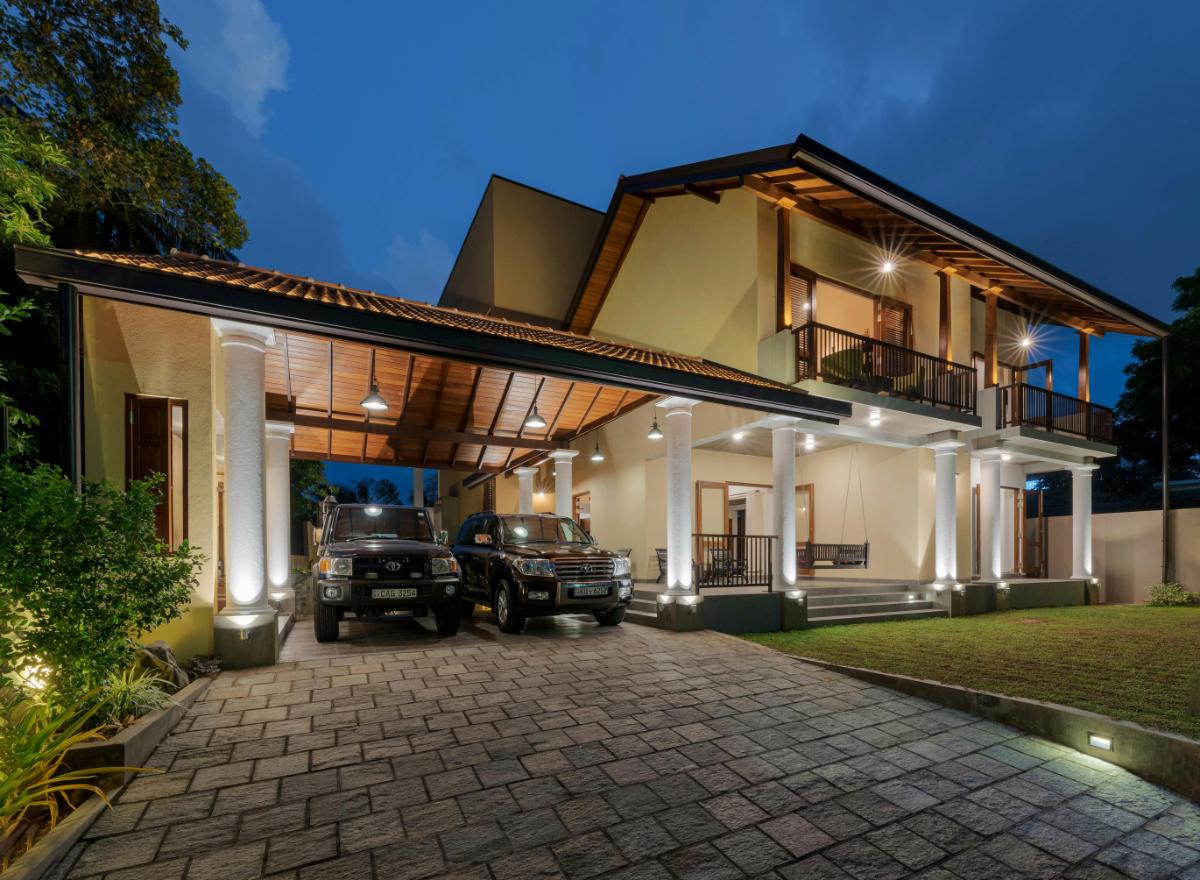
As architecture evolves, residential design trends continue to reflect our changing lifestyles, technological advancements, and growing commitment to sustainability. In 2026, homeowners and architects alike are embracing innovation — blending aesthetics, functionality, and environmental responsibility. This blog explores the modern residential architecture trends shaping the way we live now and into the future.
Trend 1: Sustainable and Eco-Conscious Design
In 2026, sustainability remains a top priority in residential architecture. Green building materials, energy-efficient systems, and passive design strategies are becoming essential elements of modern homes. Architects are focusing on reducing environmental impact while enhancing comfort. Features like solar panels, green roofs, rainwater harvesting, and high-performance insulation are now common in contemporary residences — helping homeowners lower utility costs and live more sustainably.
Trend 2: Flexible & Adaptive Living Spaces
The concept of flexible living has grown significantly as work-from-home culture persists. Modern homes are being designed with multipurpose spaces that adapt to residents’ needs. Rooms can easily transform from a home office to a guest suite or workout area. Sliding walls, foldable furniture, and open floor plans contribute to functional versatility — making everyday life more efficient and enjoyable.
Trend 3: Biophilic Design for Well-Being
Biophilic design — the integration of nature into built environments — continues to shape residential architecture. Large windows, indoor gardens, natural materials, and landscape integration help bring the outdoors in. These design elements improve air quality, reduce stress, and create a stronger connection between people and nature. In 2026, biophilic homes are popular not just for their beauty, but for the mental and physical benefits they provide.
Trend 4: Smart Home Integration
Technology seamlessly connects with modern residential architecture, as smart home systems become more intuitive and user-centric. Automated lighting, climate control, security systems, and voice-activated interfaces are standard in today’s homes. AI-driven applications adapt to daily routines, increasing comfort and energy efficiency. This integration simplifies household management and redefines everyday convenience.
Trend 5: Minimalist Aesthetics with Personalized Flair
Minimalism remains influential in residential design, emphasizing simplicity, clean lines, and uncluttered spaces. However, personalization is equally important in 2026. Architects and designers balance minimalist principles with unique touches — such as bespoke cabinetry, artistic details, and material contrasts — allowing homeowners to express individual style without sacrificing functionality.
Quote of the Blog
“Architecture should not only reflect how we live — it should shape how we live with intention, comfort, and joy.”
Trend 6: Micro-Communities and Shared Spaces
Modern residential design is also expanding beyond individual homes to include micro-communities with shared amenities. Courtyards, co-working hubs, community gardens, and outdoor gathering areas foster connection and collaboration among residents. This trend supports social interaction, enhances security, and enriches overall quality of life in neighborhood developments.
Conclusion
Modern residential architecture in 2026 goes beyond aesthetics — it prioritizes sustainability, adaptability, technology, and human well-being. From flexible floor plans to smart home systems and biophilic design, today’s homes are thoughtfully crafted to meet evolving needs.