Interior Architecture: Blending Comfort, Style, and Functio
Nov 5, 2025
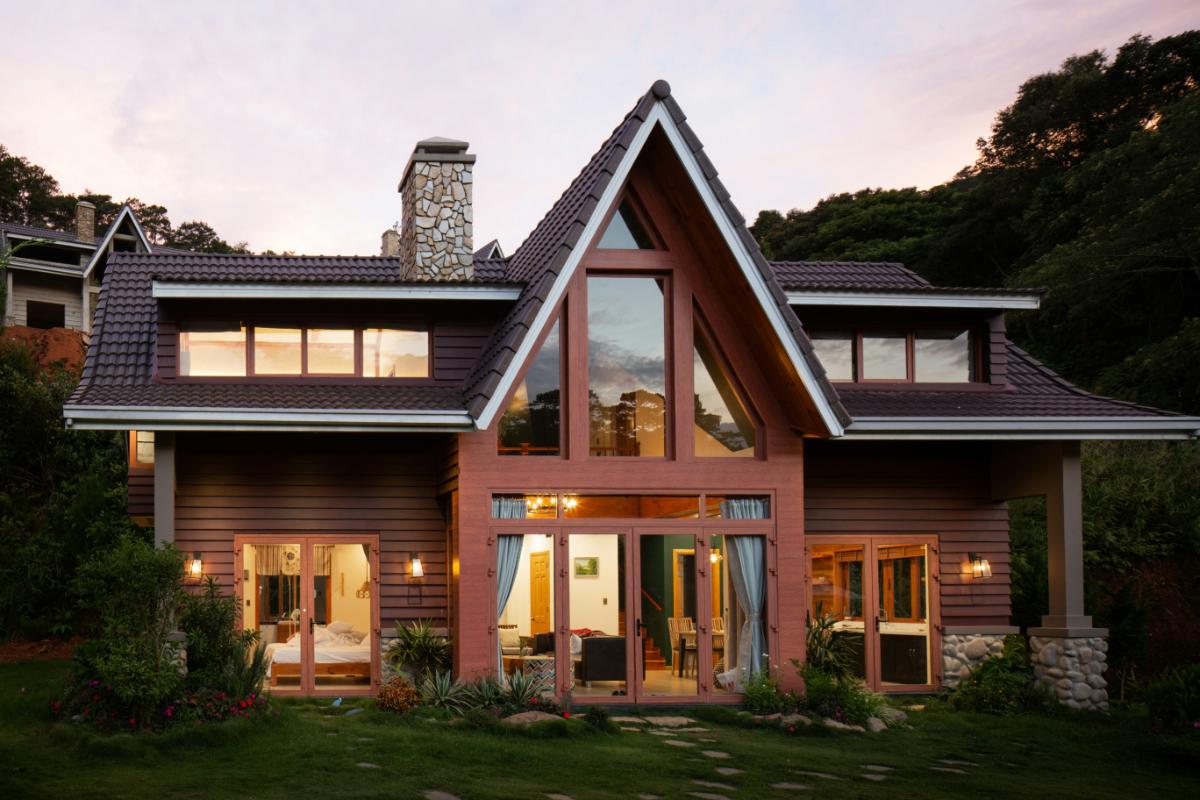
Interior architecture plays a vital role in shaping how people experience the spaces where they live, work, and interact. It goes beyond simple decoration — combining structural design with aesthetic vision to create environments that are stylish, functional, and comfortable. Today, interior architects are reimagining rooms to support modern lifestyles, enhance well-being, and express personal identity.
Balancing Form and Function
A successful interior space must offer more than beauty. Interior architecture focuses on how people use the space, move through it, and feel within it. Layouts are carefully planned to improve flow, reduce clutter, and maximize natural light. Furniture placement, wall structure, doorways, and material choices all influence how comfortably a space functions on a daily basis. The best designs blend aesthetics with practicality — ensuring no detail is simply decorative or unnecessary.
The Importance of Comfort
Comfort is a core principle of interior architecture. This includes physical comfort, such as supportive seating and proper room temperature, as well as psychological comfort created by lighting, textures, and colors. Soft finishes, warm tones, and open spaces make interiors more welcoming and peaceful. As people spend more time at home and at work indoors, comfort-driven spaces have become essential for productivity, relaxation, and emotional balance.
Expressing Style Through Design
Interior architecture is a powerful form of personal and cultural expression. Whether minimalist, rustic, contemporary, or eclectic, design style shapes the personality of a space. Materials like natural wood, stone, glass, and metal add character, while textiles and artwork introduce color and movement. Designers carefully coordinate visual elements to create harmony and meaning. In modern architecture, bold accents, sculptural lighting, and innovative textures elevate interior spaces to works of art.
Quote of the Blog
“Interior architecture brings life to walls and purpose to spaces — it is comfort, style, and function working as one.”
Maximizing Space With Smart Solutions
Space optimization is an essential part of interior architecture, especially in urban environments with smaller homes or offices. Built-in storage, multifunctional furniture, and flexible layouts help maximize square footage without sacrificing comfort or style. Open floor plans create room for movement, while vertical shelving makes use of height. Smart zoning divides spaces into practical activity areas — from work zones to relaxation corners — improving usability and reducing clutter.
Sustainability in Interior Architecture
Eco-conscious design is becoming increasingly important. Interior architects are prioritizing natural materials, low-VOC paint, reclaimed wood, and energy-efficient appliances. Sustainable design creates healthier living spaces while reducing environmental impact. Biophilic elements such as indoor plants, natural textures, and daylight integration connect people to nature and improve well-being.
Conclusion
Interior architecture transforms ordinary rooms into meaningful spaces that reflect personality, support comfort, and function effortlessly. By blending beauty, practicality, and wellness-focused design, interior architects create environments that enhance quality of life.